

Acne Scars vs. Open Pores: Understanding the Difference
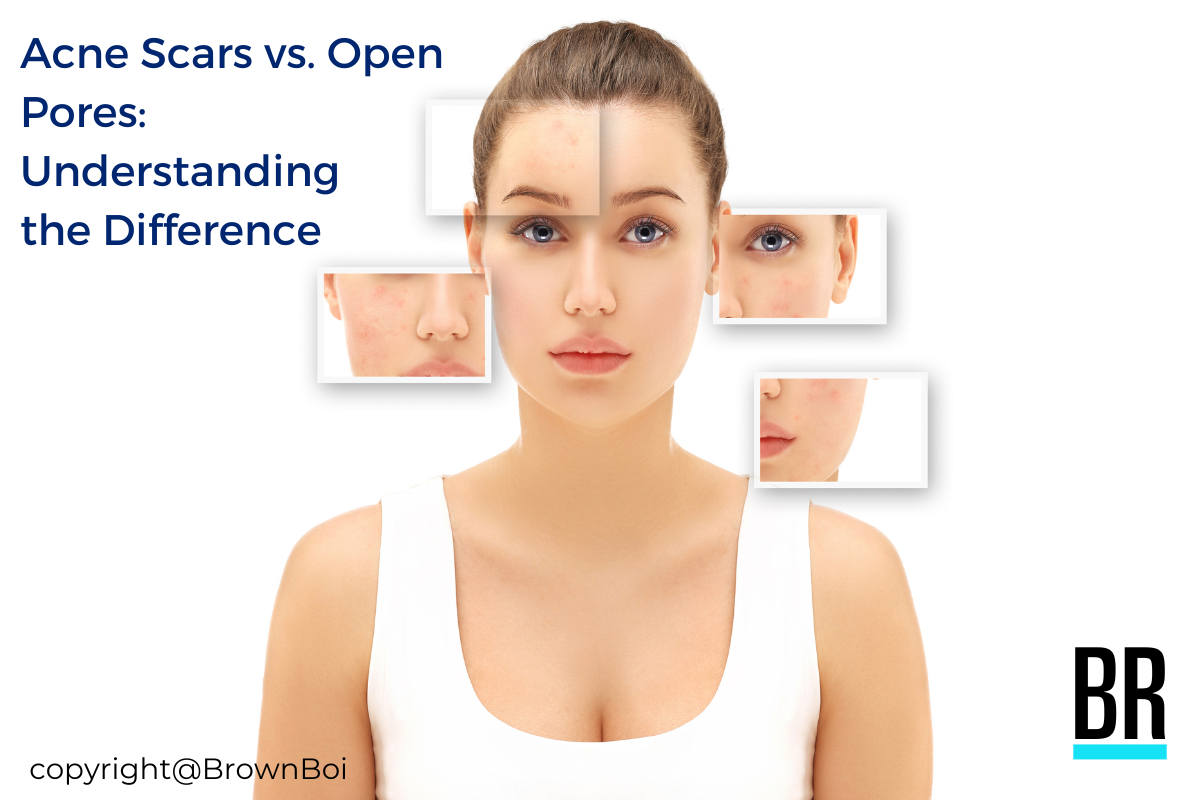
Acne Scars vs. Open Pores: Understanding the Difference
Introduction
Acne is a common skin concern that affects millions of people worldwide. It not only brings the annoyance of active breakouts but can also leave behind lingering issues like acne scars and open pores. In this informative guide, we will explore the key differences between acne scars and open pores, the causes behind them, and effective strategies to address these skin imperfections. Whether you're dealing with acne-related skin issues or simply want to maintain a flawless complexion, this article is your go-to resource.
Acne Scars: The Battle Scars of Acne
What are Acne Scars?
Acne scars are the aftermath of severe or prolonged acne outbreaks. They are skin irregularities that occur when the skin's natural healing process is disrupted, leading to permanent textural changes. These scars can take various forms, such as:
- Icepick Scars: Deep, narrow, and pitted scars that resemble small, round punctures.
- Boxcar Scars: Wider depressions with defined edges, often resembling chickenpox scars.
- Rolling Scars: Broad depressions with a wave-like appearance, resulting from the tethering of underlying skin layers.
What Causes Acne Scars?
Acne scars typically form when inflammation and tissue damage go beyond the surface of the skin. The key contributors to acne scarring include:
- Cystic Acne: Severe, inflamed acne lesions that extend deep into the skin's layers.
- Picking or Squeezing Pimples: Manipulating acne lesions can exacerbate inflammation and increase the risk of scarring.
- Delayed or Inadequate Treatment: Failing to address acne promptly or with appropriate treatments can lead to scarring.
Treatment Options for Acne Scars
The good news is that various treatments can help improve the appearance of acne scars:
Chemical Peels
Chemical peels involve applying a chemical solution to the skin, which exfoliates the top layer and promotes collagen production, ultimately reducing the appearance of scars.
Microneedling
Microneedling uses tiny needles to create controlled micro-injuries in the skin, stimulating collagen and elastin production, which can improve scar texture.
Laser Therapy
Laser treatments target scar tissue, promoting collagen remodeling and skin rejuvenation. Fractional laser therapy is particularly effective for acne scars.
Dermal Fillers
Dermal fillers can be injected into depressed scars to plump the skin's surface, making scars less noticeable.
Dermabrasion
Dermabrasion involves removing the top layer of skin with a rotating brush, which can help improve the texture of certain types of acne scars.
Preventing Acne Scars
While treating existing scars is essential, preventing new ones is equally crucial. Follow these tips:
- Early Acne Management: Seek professional help for acne treatment to minimize inflammation and reduce the risk of scarring.
- Avoid Picking or Squeezing: Resist the urge to manipulate acne lesions, as this can worsen scarring.
- Use Sunscreen: Protect your skin from UV damage, which can make scars more noticeable.
Open Pores: The Pore Predicament
What are Open Pores?
Open pores, also known as enlarged pores or dilated pores, are larger-than-normal openings on the skin's surface. They are most commonly found on the nose, cheeks, and forehead. Open pores can give the skin a rough texture and make it prone to issues like blackheads and acne.
What Causes Open Pores?
Several factors contribute to open pores:
- Excess Oil Production: Overactive sebaceous glands can lead to oily skin, which can make pores appear larger.
- Aging: As we age, skin loses elasticity, causing pores to become more noticeable.
- Sun Damage: UV rays can weaken collagen, making the skin less able to support pore structure.
- Genetics: Some individuals have genetically predisposed skin to larger pores.
Treatment Options for Open Pores
While you can't permanently shrink pores, you can minimize their appearance:
Topical Retinoids
Retinoids, such as tretinoin, can help improve skin texture by increasing collagen production and preventing clogged pores.
Chemical Peels
Chemical peels can exfoliate the skin's top layer, which may reduce the appearance of open pores.
Laser Therapy
Fractional laser treatments can stimulate collagen production, improving skin texture and making pores less conspicuous.
Microdermabrasion
Microdermabrasion uses tiny exfoliating crystals to remove the top layer of skin, which can improve the overall texture and appearance of the skin.
Preventing Open Pores
Preventing open pores involves proper skincare:
- Cleanse Regularly: Keep your skin clean to prevent oil buildup and pore enlargement.
- Sun Protection: Use sunscreen to protect your skin from UV damage.
- Exfoliation: Gently exfoliate your skin to remove dead skin cells and minimize pore blockage.
Acne Scars vs. Open Pores: Key Differences
Now that we've explored both acne scars and open pores in detail, let's summarize their key differences:
- Nature: Acne scars involve permanent textural changes, while open pores are enlarged but do not change skin texture.
- Causes: Acne scars result from inflammation, tissue damage, and severe acne. Open pores can be caused by excess oil, aging, genetics, and sun damage.
- Appearance: Acne scars can be pitted or raised and have varying shapes. Open pores are simply larger-than-normal skin openings.
- Treatment: Acne scars often require specialized treatments like chemical peels, microneedling, and laser therapy. Open pores can be managed with topical treatments and procedures like chemical peels and laser therapy.
FAQs:
Q1: Understanding the Main Differences Between Acne Scars and Open Pores
A1: Acne scars are permanent textural changes resulting from severe or prolonged acne outbreaks, whereas open pores are larger-than-normal skin openings. While acne scars involve changes in skin texture, open pores are simply enlarged skin openings.
Q2: Can Open Pores Be a Precursor to Acne Scars?
A2: Open pores themselves do not lead to acne scars. However, if open pores become clogged and infected, they can contribute to acne breakouts, which may result in scarring if not treated promptly.
Q3: Do Acne Scars Ever Fade Naturally Without Treatment?
A3: Acne scars may naturally improve over time, but they often do not fade completely on their own. Treatment options, such as chemical peels, microneedling, and laser therapy, can significantly enhance the fading process.
Q4: Effective Home Remedies for Reducing the Appearance of Acne Scars
A4: While there are various home remedies that people try, they may provide only temporary relief. It's essential to consult a dermatologist for professional guidance and effective treatments to reduce the appearance of acne scars.
Q5: The Role of Collagen in Treating Acne Scars
A5: Collagen plays a vital role in skin health and repair. Certain treatments, such as microneedling and laser therapy, stimulate collagen production, helping to improve the texture of acne scars and enhance overall skin appearance.
Q6: Minimizing or Preventing Open Pores with Skincare Products
A6: Some skincare products, like those containing retinoids or alpha hydroxy acids, can help minimize the appearance of open pores. However, preventing open pores entirely may require a combination of proper skincare and professional treatments.
Q7: Timeframe for Seeing Results from Acne Scar Treatments
A7: The timeframe for seeing results from acne scar treatments varies depending on the type of treatment used and the individual's skin. It can range from a few weeks to several months. Consistency in following the treatment plan is crucial.
Q8: Dietary Factors and Their Impact on Acne Scars and Open Pores
A8: A balanced diet with plenty of antioxidants and proper hydration can contribute to overall skin health. However, diet alone may not prevent or treat acne scars and open pores. Professional skincare and treatments are often necessary.
Q9: Treating Acne Scars with Active Acne Breakouts
A9: It's generally advisable to treat acne scars once active breakouts are under control. Treating both active acne and scars simultaneously can be challenging and may require a specialized approach by a dermatologist.
Q10: Microdermabrasion vs. Chemical Peels for Open Pores
A10: Both microdermabrasion and chemical peels can improve skin texture and reduce the appearance of open pores. The choice between them depends on your skin type, concerns, and the recommendation of a skincare professional.
Q11: Possibilities of Completely Eliminating Open Pores
A11: While you cannot permanently eliminate open pores, you can minimize their appearance through skincare and professional treatments. Genetics, age, and other factors can influence the size and visibility of pores.
Q12: Safety and Effectiveness of Laser Treatments for Acne Scars
A12: Laser treatments for acne scars are generally safe and effective when performed by a qualified professional. They work by stimulating collagen production and remodeling scar tissue to improve skin texture.
Q13: Preventive Measures to Avoid Further Acne Scarring
A13: To prevent further acne scarring, seek early acne management, avoid picking or squeezing pimples, and use sunscreen to protect your skin from UV damage, which can worsen scars.
Q14: Link Between Open Pores and Other Skin Issues
A14: Open pores can make the skin more prone to issues like blackheads and whiteheads, as they provide an easier entry point for debris and oil. Proper skincare can help manage these concerns.
Q15: Age-Related Factors in the Development of Open Pores
A15: Aging can lead to decreased skin elasticity, making pores appear more noticeable. As we age, collagen production decreases, contributing to changes in pore size and skin texture.
Q16: Makeup Tips for Concealing Acne Scars
A16: Makeup can help conceal the appearance of acne scars. Use a high-quality foundation and concealer that matches your skin tone, and consider consulting a makeup artist for expert guidance.
Q17: What to Expect During and After a Chemical Peel for Open Pores
A17: During a chemical peel, you may experience a tingling or burning sensation. Afterward, the skin may appear red and flaky for a few days. Results typically improve gradually over time.
Q18: Natural Ingredients and DIY Masks for Acne Scar Treatment
A18: Some natural ingredients like aloe vera and honey may have soothing properties but are not a substitute for professional acne scar treatments. Consult a dermatologist for the most effective options.
Q19: Consulting a Dermatologist vs. Over-the-Counter Products for Acne Scars and Open Pores
A19: While over-the-counter products may help with mild issues, consulting a dermatologist is recommended for more severe acne scars and open pores. Dermatologists can provide personalized treatment plans.
Q20: Environmental Factors' Influence on Open Pores
A20: Environmental factors like pollution and humidity can exacerbate skin issues, including open pores. Proper skincare and protection from UV rays can help mitigate these effects.
Conclusion: Your Path to Flawless Skin
In the battle between acne scars and open pores, knowledge is your most potent weapon. Understanding the differences between these two skin concerns is the first step towards effective management. Whether you're seeking treatment for existing issues or aiming to prevent future problems, a tailored skincare routine and professional guidance are your allies on the journey to flawless skin.
Remember that skincare is not one-size-fits-all, and what works best for you may vary. Consult with a dermatologist or skincare expert to create a customized plan that addresses your unique needs and helps you achieve the radiant complexion you desire.
References:
All comments