

Myrrh Oil: The Ancient Secret for Modern Wellness - The Holy Anointing Oil
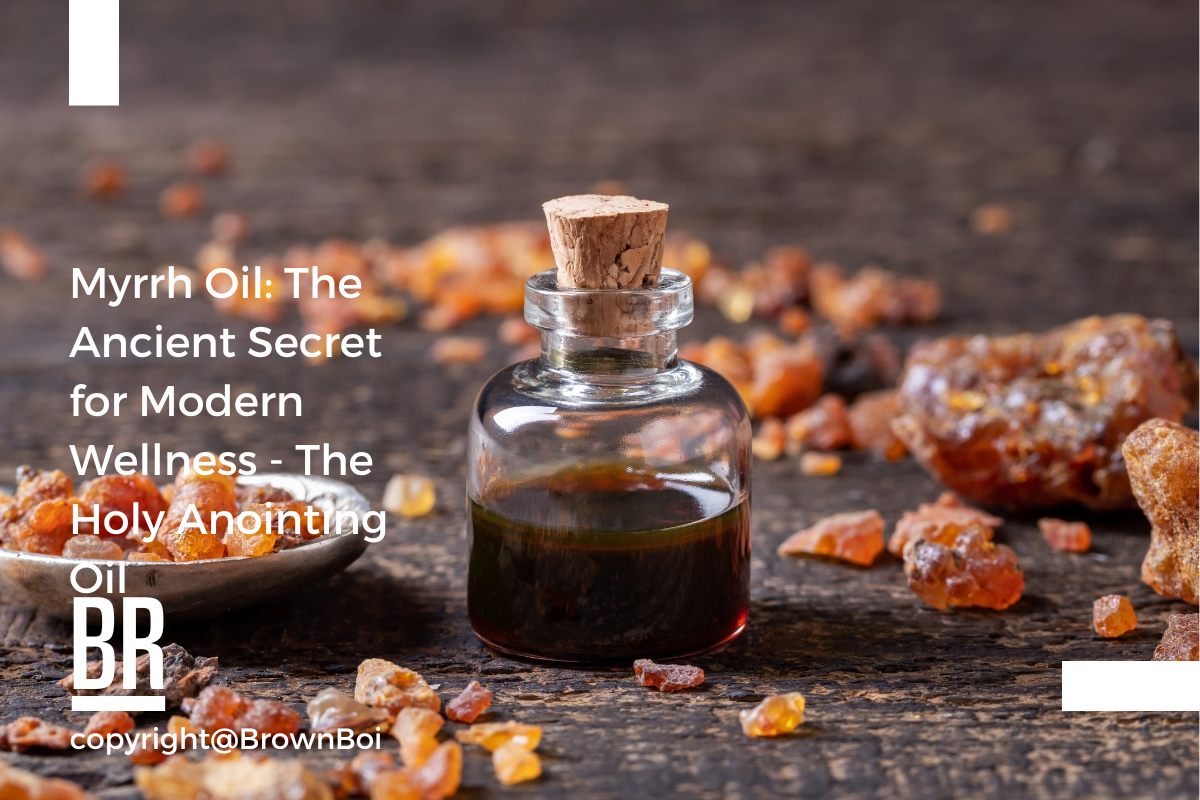
Myrrh Oil: The Ancient Secret for Modern Wellness - The Holy Anointing Oil
Myrrh oil, known for its deep-rooted significance in ancient traditions, has stood the test of time as a powerful elixir for health and wellness. Revered as a "Holy Anointing Oil," it holds a special place in history, spirituality, and natural healing practices. In this blog, we delve into the wonders of myrrh, explore its myriad benefits, and uncover how this ancient treasure seamlessly blends into modern wellness routines.
What Is Myrrh Oil?
Myrrh is a resin derived from the Commiphora tree, native to regions like the Middle East and North Africa. When harvested, the resin is steam-distilled to produce myrrh oil, which is renowned for its rich, earthy aroma and therapeutic properties. Historically, it was used in sacred rituals, healing balms, and perfumes, earning its place as a holy anointing oil in religious practices and traditional medicine.
The Benefits of Myrrh Oil for Modern Wellness
1. Promotes Skin Health
Myrrh oil is packed with anti-inflammatory and antiseptic properties, making it an excellent natural remedy for various skin concerns. It helps soothe irritation, reduce redness, and fight against bacteria. Whether used as a moisturizer or a part of your skincare routine, myrrh oil helps rejuvenate and nourish the skin.
2. Supports Immune System Health
Rich in antioxidants, myrrh oil plays a crucial role in boosting immunity. It strengthens the body’s natural defenses and helps combat free radicals that can damage cells. Myrrh has traditionally been used to support overall health and well-being, including helping to relieve symptoms of colds and respiratory infections.
3. Promotes Relaxation and Stress Relief
Known for its calming effects, myrrh oil is often used in aromatherapy to reduce stress and anxiety. Its grounding and soothing properties make it a perfect choice for meditation and mindfulness practices. When diffused in a space or applied in a calming massage, myrrh oil helps balance emotions and promotes relaxation.
4. Supports Oral Health
Myrrh oil has been used for centuries as a natural remedy for oral health. It has antibacterial and antifungal properties that can help maintain healthy gums and teeth. Many mouthwashes and oral care products incorporate myrrh oil due to its ability to reduce inflammation, fight bacteria, and freshen breath.
5. Encourages Healthy Aging
The antioxidant properties of myrrh oil also make it effective in reducing the appearance of fine lines and wrinkles. By protecting the skin from oxidative stress, myrrh oil helps slow the signs of aging, leaving the skin looking youthful and revitalized.
How to Use Myrrh Oil for Maximum Benefits
1. Skin Care
For skin rejuvenation, dilute a few drops of myrrh oil with a carrier oil (like jojoba or coconut oil) and apply to your skin. It’s perfect for treating dryness, irritation, or blemishes. Myrrh oil can also be added to your daily moisturizer to enhance its nourishing properties.
2. Aromatherapy
Diffuse myrrh oil in a diffuser to create a calming atmosphere. It’s ideal for use during meditation, yoga, or before bed to ease stress and promote restful sleep.
3. Oral Care
To support oral health, add 1-2 drops of myrrh oil to your mouthwash or dilute it with water to use as a mouth rinse. Swish it around your mouth for a few minutes to help maintain healthy gums and freshen your breath.
4. Massage
Dilute myrrh oil with a carrier oil and use it in massage for muscle relaxation and pain relief. The soothing properties of myrrh oil can also help reduce tension and promote overall well-being.
FAQs
Q1. What is Myrrh Oil used for?
A: Myrrh oil is commonly used for its therapeutic properties, including promoting skin health, supporting the immune system, reducing stress, and improving oral health. It is also used in aromatherapy to enhance relaxation and in skincare routines to rejuvenate and nourish the skin.
Q2. Is Myrrh Oil good for the skin?
A: Yes, myrrh oil is highly beneficial for the skin due to its anti-inflammatory, antiseptic, and antioxidant properties. It helps soothe irritation, reduce redness, and hydrate dry skin. It is also known to promote a youthful complexion by reducing the appearance of fine lines and wrinkles.
Q3. How can I use Myrrh Oil in aromatherapy?
A: In aromatherapy, myrrh oil can be diffused in a room to create a calming atmosphere. It’s perfect for reducing stress, easing anxiety, and promoting relaxation during meditation or yoga. You can also use it as a calming oil during a relaxing bath.
Q4. Is Myrrh Oil safe for oral care?
A: Yes, myrrh oil is safe for oral care when used properly. It has antibacterial and antifungal properties that help maintain oral health. You can use it as a mouth rinse to reduce inflammation, fight bacteria, and freshen your breath. Be sure to dilute it with water to avoid irritation.
Q5. Can Myrrh Oil help with aging skin?
A: Yes, myrrh oil can help with aging skin by protecting it from free radical damage and promoting collagen production. Its antioxidant properties help reduce the appearance of fine lines and wrinkles, making it a great addition to an anti-aging skincare routine.
Q6. Where can I buy Myrrh Oil?
A: Myrrh oil can be purchased from health food stores, online marketplaces, or specialty essential oil retailers. Be sure to choose pure, high-quality myrrh oil for the best results, and always check for reputable suppliers.
Q7. How should Myrrh Oil be stored?
A: Myrrh oil should be stored in a cool, dark place, away from direct sunlight and heat. It is best kept in an amber glass bottle to protect it from light and ensure its longevity. Make sure the bottle is tightly sealed to preserve its potency.
Q8. Is Myrrh Oil safe for everyone to use?
A: Myrrh oil is generally safe for most people when used in moderation. However, pregnant women, children, or individuals with sensitive skin or allergies should consult with a healthcare professional before using it. Always perform a patch test before applying any essential oil to your skin.
Q9. Can Myrrh Oil help with respiratory issues?
A: Yes, myrrh oil can support respiratory health by helping clear congestion and easing symptoms of colds or coughs. You can use it in a diffuser or as a steam inhalation by adding a few drops to hot water and inhaling the vapors.
Q10. Does Myrrh Oil have antimicrobial properties?
A: Yes, myrrh oil is known for its strong antimicrobial and antifungal properties. It can be used to clean wounds, reduce infections, and protect the skin from harmful bacteria when properly diluted with a carrier oil.
Q11. Can Myrrh Oil be used for pain relief?
A: Yes, myrrh oil can help alleviate pain and inflammation. It is often used in massage blends for muscle pain, joint discomfort, and to reduce swelling caused by minor injuries.
Q12. Is Myrrh Oil suitable for sensitive skin?
A: While myrrh oil has soothing properties, it should always be diluted with a carrier oil before applying to sensitive skin. Perform a patch test first to ensure no adverse reaction occurs. Avoid using it on open wounds or broken skin.
Q13. Can Myrrh Oil improve mood and focus?
A: Yes, myrrh oil has grounding and uplifting properties that can enhance mood and improve focus. Its earthy aroma is often used in meditation and mindfulness practices to clear the mind and reduce distractions.
Q14. How can Myrrh Oil be used for spiritual purposes?
A: Myrrh oil has been used in religious ceremonies and spiritual practices for centuries. It can be diffused to create a sacred atmosphere, used during meditation for grounding, or applied to pulse points as a holy anointing oil to promote spiritual connection.
Q15. Can Myrrh Oil be mixed with other essential oils?
A: Absolutely! Myrrh oil blends well with other essential oils like frankincense, lavender, eucalyptus, and sandalwood. Mixing it with complementary oils can enhance its benefits and create a unique aromatic experience tailored to your needs.
All comments